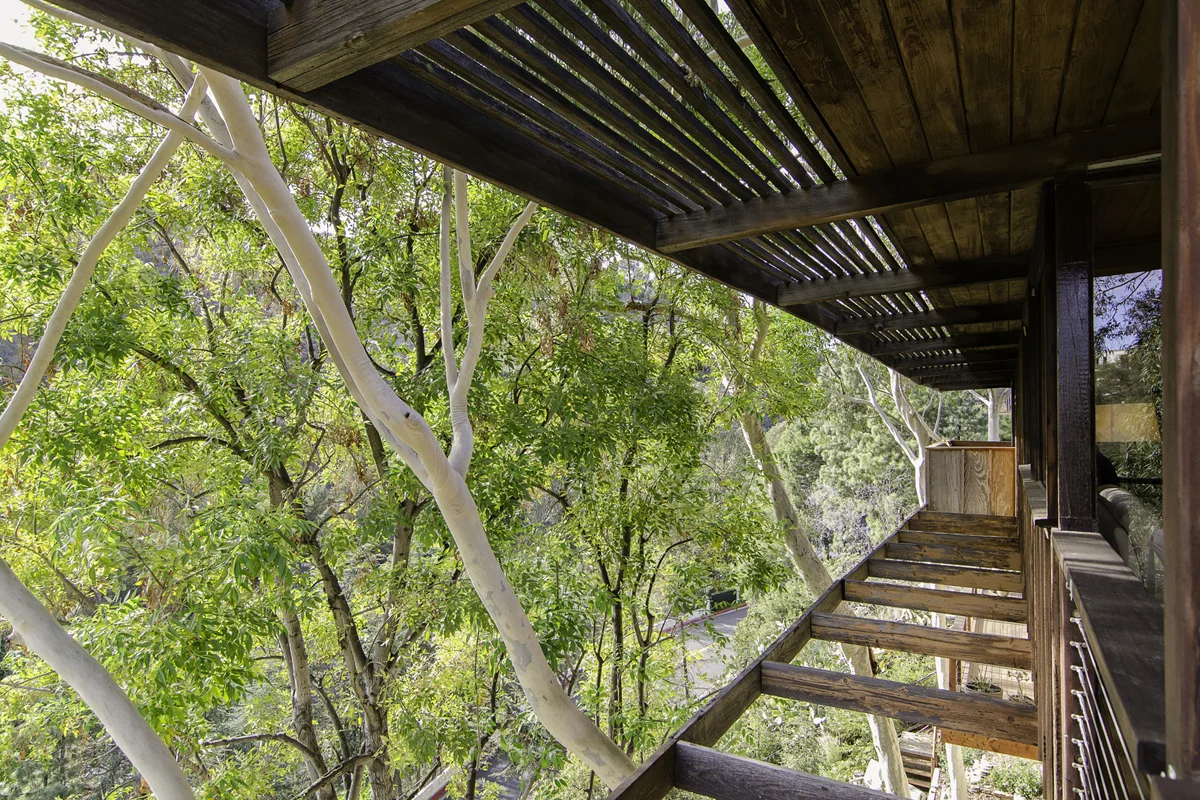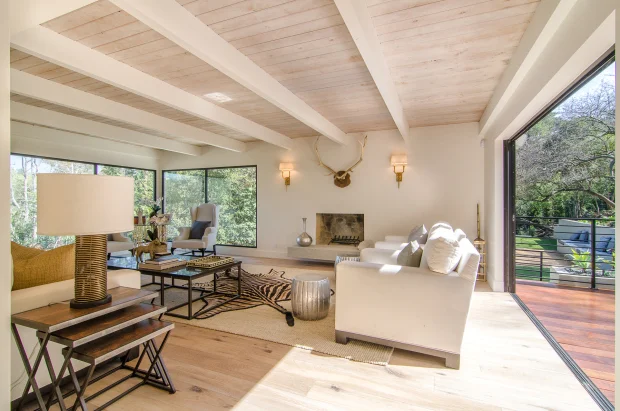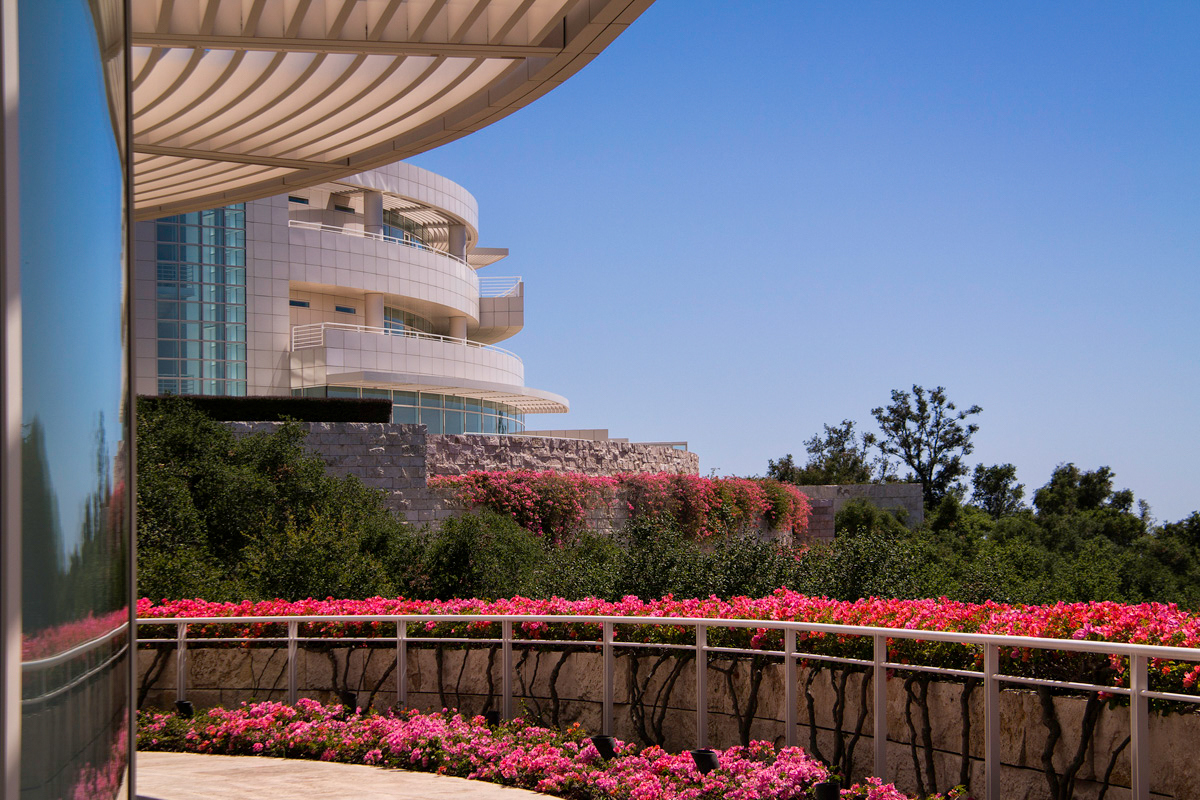
While there are definite similarities in regards to methods and approach when photographing any sort of real estate, there are also important differences to keep in mind, especially when photographing commercial real estate and properties. In the residential real estate realm, they tend to use the images for a few weeks or maybe months until the space is sold, but in commercial real estate, these images are used to sell the business for perhaps years and years, and they might live on a website for just as long, offering the potential client or customer a visual representation of the space.
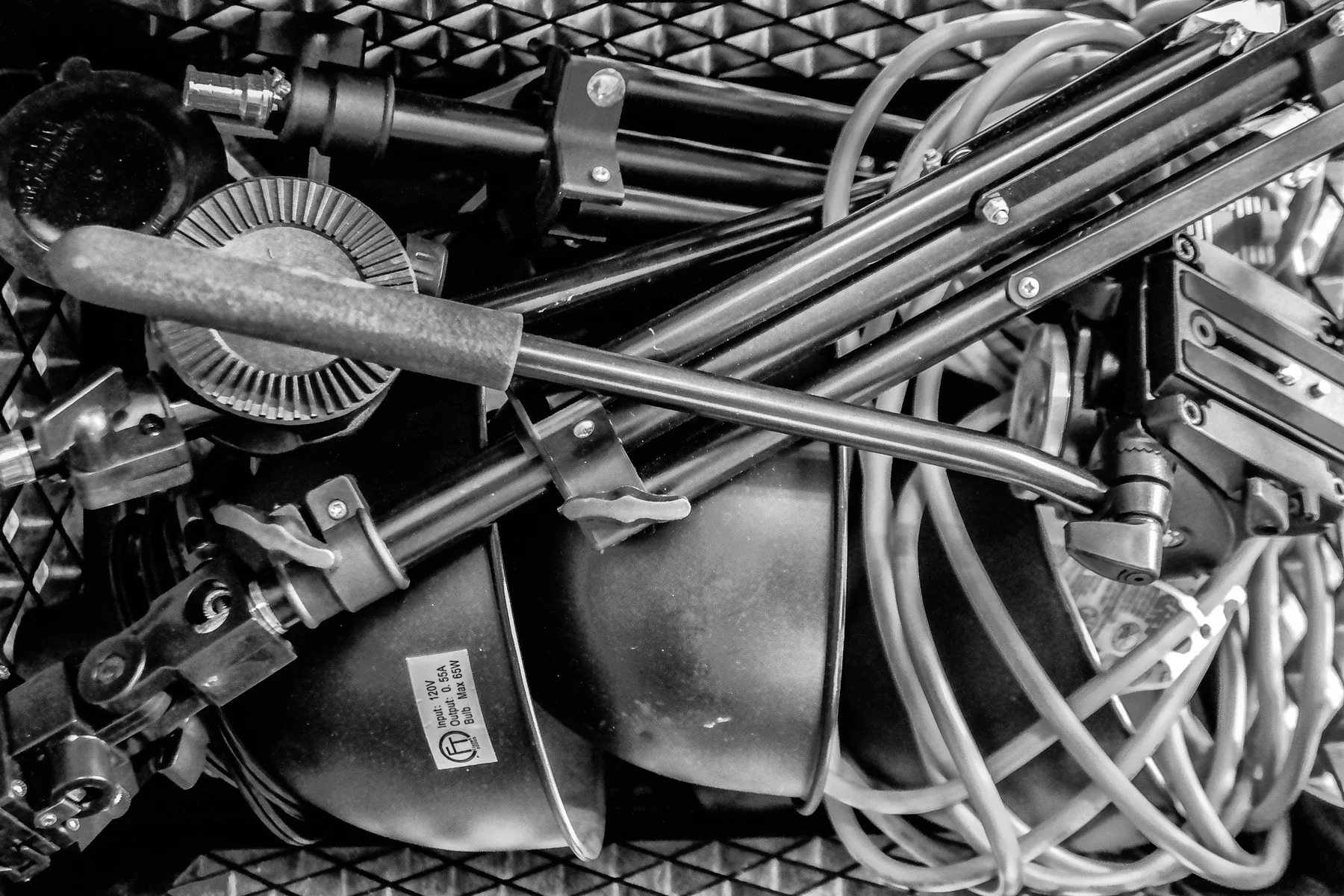
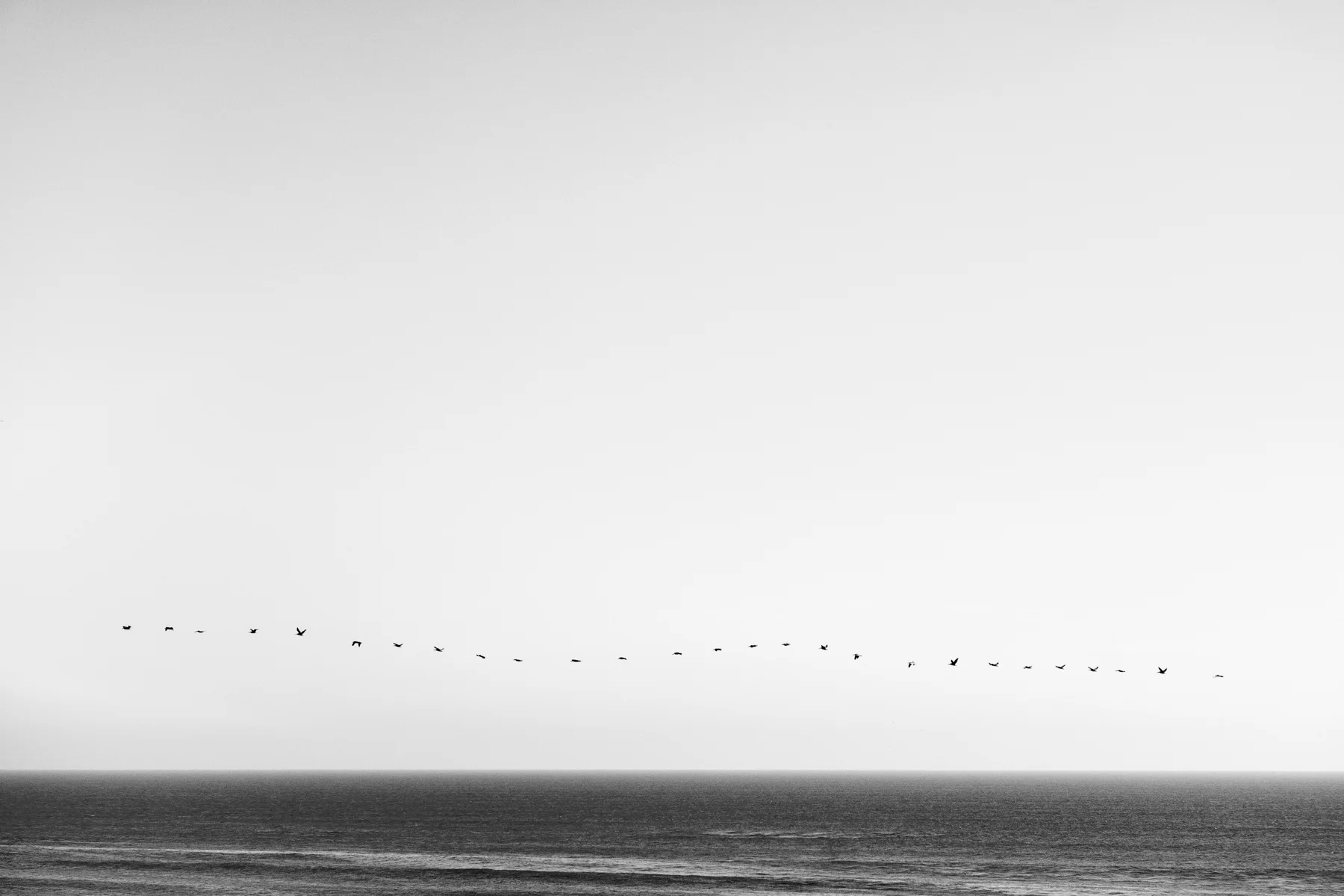
Read MoreSo I was recently challenged by a fellow Samsung Imagelogger, the talented portrait photographer Jess Anderson, to take the Black & White Photography Challenge. Basically, I had to post 5 black and white images in 5 days. Anyone that knows me or my work knows that color plays an enormous role in the images I choose to make, so this was definitely a bit intimidating. In addition to a few of my favorites from those recent 5 days, what follows are 5 things I learned and experienced in my little black & white journey.
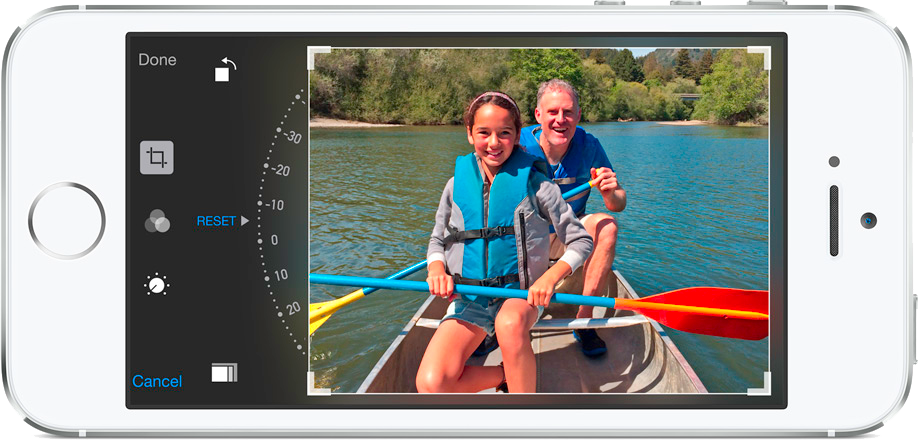
Read MoreWith Apple opening up controls to iPhone’s native camera in the soon-to-be-released iOS 8, allowing access to manual photo controls, and the fact that the iPhone camera is already the most popular camera phone, we might just see a significant uptick in the quality of all those selfies and your coworkers lunches, cats, and margaritas (well that depends on how many margaritas I suppose). Most people that use their iPhones as cameras use the native app, and with that comes no controls other than aspect ratio and front or rear facing camera, and most third party apps that offer some version of manual controls proving either clunky or digitally over-ambitious at best. But now, with iOS 8, they're going to see a lot of options that they may have never even heard of before.
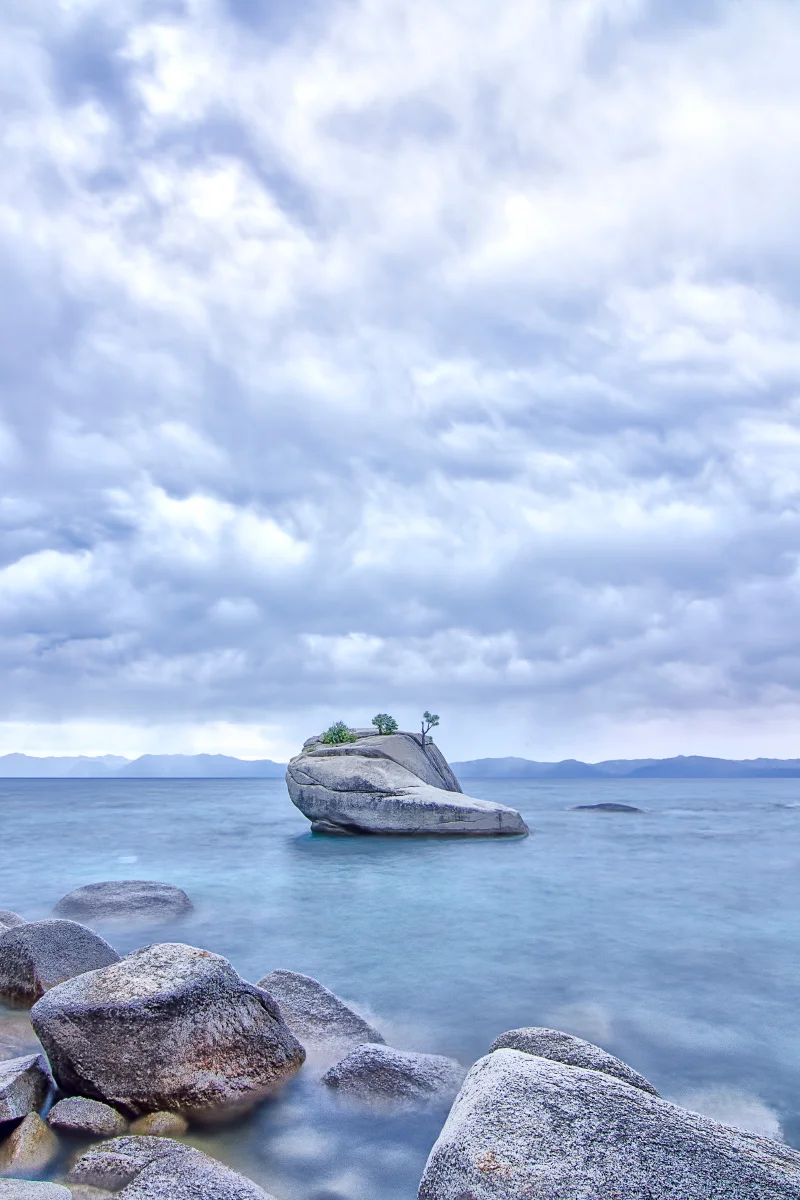
Read MoreIt eventually happens to every new photographer. You’re out in the field. You’re setting up to make a shot, and you see others around you setting up for a shot, only, some of these people have these strange contraptions attached to the front of their lens. It looks like a huge piece of square glass. You sit there. You stare. You wonder. And when you get back home, you Google ‘square things on lens.’ The first time this happened to me, I was set up to shoot some images of Bonsai Rock in Lake Tahoe, California several years back.
Read MoreSo one of the best ways to learn photography is to assist another photographer, which I've had the pleasure of recently doing for photographer Stephen Chiang. While getting a photographer assistant gig may seem like a tough nut to crack, you’d be surprised at how many people can or will refer you just by putting out a simple call on your Facebook or Twitter or Google Plus account. Photographers are everywhere and every single one of them can use some help, and what separates those that are helping them and those that are thinking about helping them? Well…those that are helping them asked if they can. While it may not turn into a regular gig, it’s a marvelous step in building a new network, gaining some trust amongst your peers, and best of all, learning your craft hands on. And to maximize that effort, here are a few things to remember when assisting a photographer.
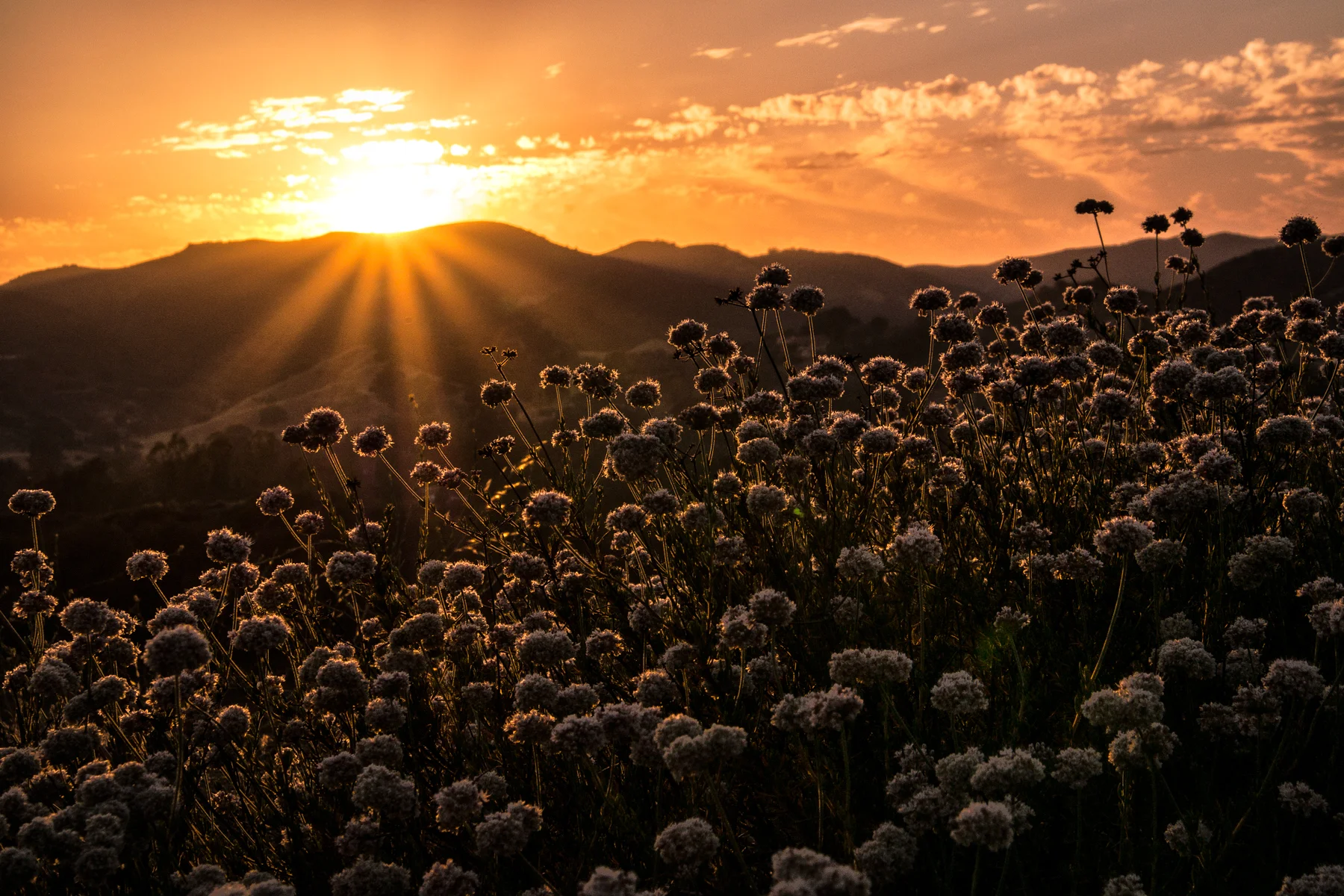
Read MoreI recently found myself standing in front of a stunning vista in the Santa Monica Mountains. It was June 21, 2014. The Summer Solstice. And the sun was just about to set behind the mountains, leaving a beautiful show of colors and clouds and reflections and highlights and vivid shadows in it’s wake. There was another group of photographers at the other end of the overlook and they were doing what most photographers first instinct is to do…pay full attention to the focal point of their image, the subject they wish to draw attention to, and everything else came secondary.
Read MoreIf you read this blog regularly, you’ll know that one of my primary sources of income is photographing real estate and properties for various clients ranging from Airbnb to real estate companies and management companies. After doing this for the past 3 years, I’ve managed to pick up a few tips and pointers along the way that have made my job a LOT easier. Here are 7 of them:
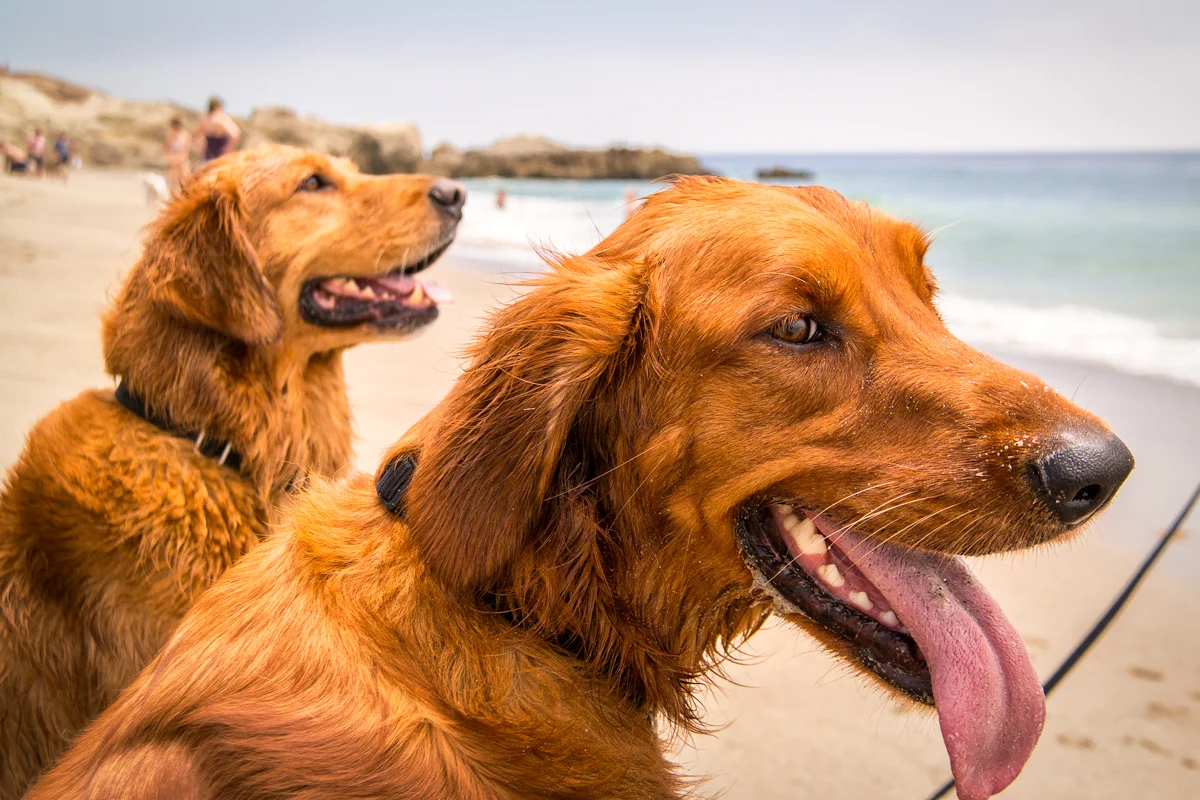
Read MoreI was recently asked by a friend of mine who runs Ocean Walk Pet Sitting to shoot a few candid shots of one of his clients dogs so that he can present them as a gift to the client. Since this was, one, for a good friend, and two, another excuse to be outside in the sunshine on the beach with a camera, how could I say no? It’s not the first time I’ve done pet photography as I've shot some of his client’s pets in the past, so I knew a bit of what to expect, and I was able to draw on what I had learned the last time and apply them to this session. Here are 8 pet photography takeaway tips from those sessions that I wish I knew right away:
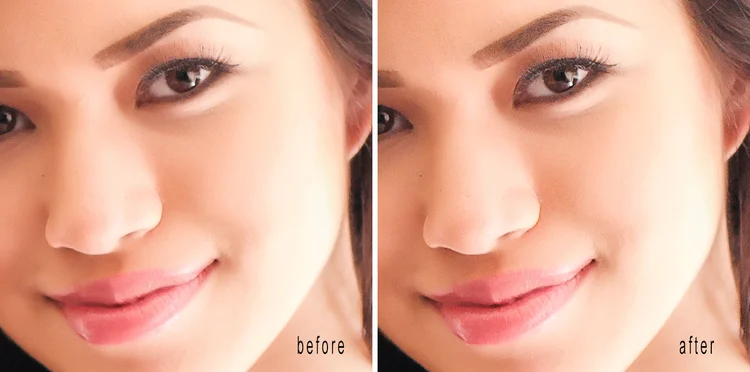
Read MoreWhen most people think sharpening in Photoshop, they understandably default to the ’Sharpen’ or ‘Unsharp Mask’ filters. But since I learned this trick a few years back, I don’t believe I’ve opened a single one of Photoshop’s native sharpen plugins a single time. Instead, I’ve relied on one of the ‘Other’ filters in that ‘Filter’ menu -
Read MoreIn Part 1, we explained the process of getting the proper exposures on location for architecture and real estate photography. Here in part 2, we explain how to post-process these exposures.
Now that you have your exposures as described in Part 1, pull them into Adobe Lightroom. Use the first three bracketed exposures, and make any adjustments you see fit. I usually pull the highlights down on the overexposed exposure, and sometimes I pull the shadows up in the underexposed frame.
Read More